
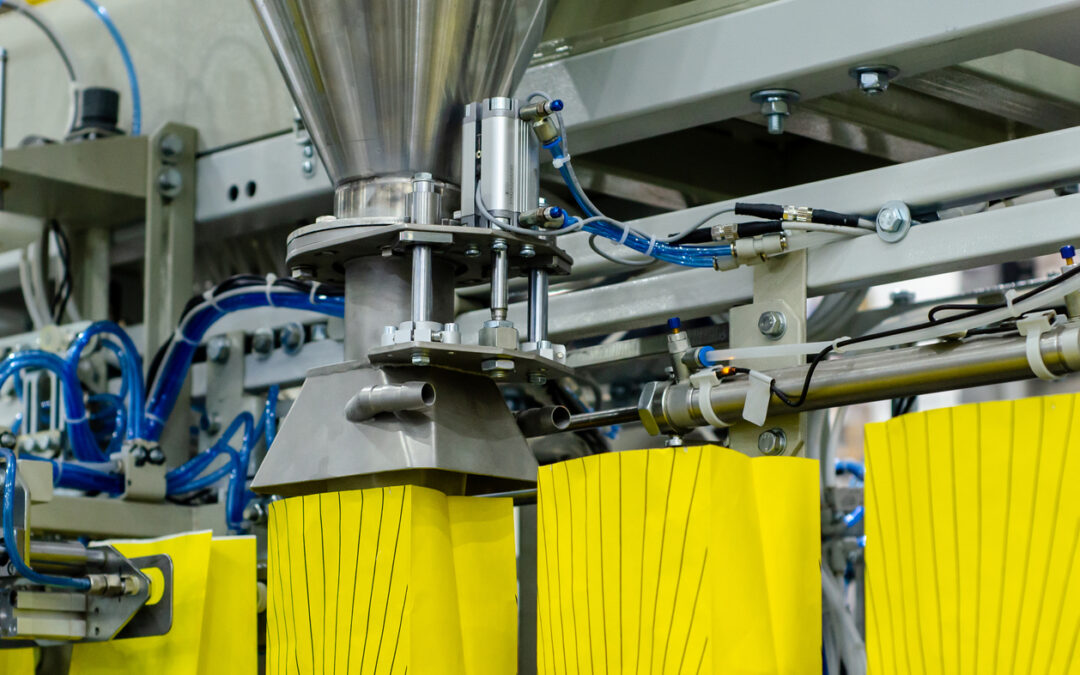
In the realm of flexible packaging, open mouth bags play a pivotal role in catering to diverse industries. At Choice Bagging, we specialize in providing tailored solutions for a variety of products, whether they are agricultural materials, chemicals, or food items. Understanding the materials and sizes of open mouth bags is crucial for optimizing your packaging efficiency and ensuring product safety. In this text, we will investigate into the distinct materials, their benefits, standard sizes, common applications, and best practices for selecting the right bag for your needs.
What Is An Open Mouth Bag?
Open mouth bags are pre-made bags with a closed bottom and one end left open for filling, allowing easy access for adding contents before final closure. They can be closed using various methods, including sewing, sealing, or pinch-top techniques. These bags are ideal for handling free-flowing bulk products such as powders, granules, and pellets, and they seamlessly integrate with automated filling lines.
Common Materials Used
Open mouth bags can be made from several materials, each offering distinct advantages:
- Paper (kraft, multi-wall)
- Plastic (PE film) – often manufactured as a seamless tube for enhanced strength and integrity
- Polypropylene (woven PP)
- Aluminum or metallized layers for added barrier needs
- Cotton/burlap for specialized agricultural applications
Paper Bags
Our offering includes multi-wall kraft paper bags ranging from 1 to 6 plies with weights varying from 60 to 120 gsm. The top of the bag can be finished with different types of cuts, such as a flush cut for a clean, straight edge or a stepped end cut for easier opening and product display, depending on your packaging needs. Optional PE or aluminum layers can be included to enhance moisture and oxygen barriers.
Plastic Bags
For plastic options, we use PE tubular films with thicknesses ranging from 25 to 250 microns. These bags can be smooth, anti-slip, perforated, and UV-resistant, with printing options available up to eight colors.
Material Properties and Benefits
The choice of material significantly impacts not only the durability and usability of the bags but also their performance during storage and transport. Here’s a breakdown of popular materials:
- Paper:
- Benefits: Excellent printability, stackability, breathability, and high strength. Also, they are recyclable, which appeals to environmentally conscious clients.
- PE Film:
Benefits: Provides a strong moisture barrier, sealability, and is tough and durable, making it suitable for demanding industrial applications. Transparency options allow for product visibility, which can be beneficial for retail. PE film also offers a low moisture vapor transmission rate, helping to preserve product quality by limiting moisture ingress.

Sizes of Open Mouth Bags
When it comes to sizes, open mouth bags come in a variety of standard options, and they can also be customized to meet specific needs.
Standard Size Options
- Paper: Width ranges from 180 to 750 mm, with bottoms varying from 70 to 300 mm and lengths from 240 to 1350 mm.
- PE: Widths generally range from 35 to 60 cm, with thickness measurements between 100 and 220 µm.
- Cotton: Sizes range from small 2 lb (5″×7.5″) bags to larger 50 lb (18″×35″) options.
Applications Across Industries
Open mouth bags have diverse applications across several industries, ensuring that we cater effectively to our various customers’ needs.
Agricultural Products
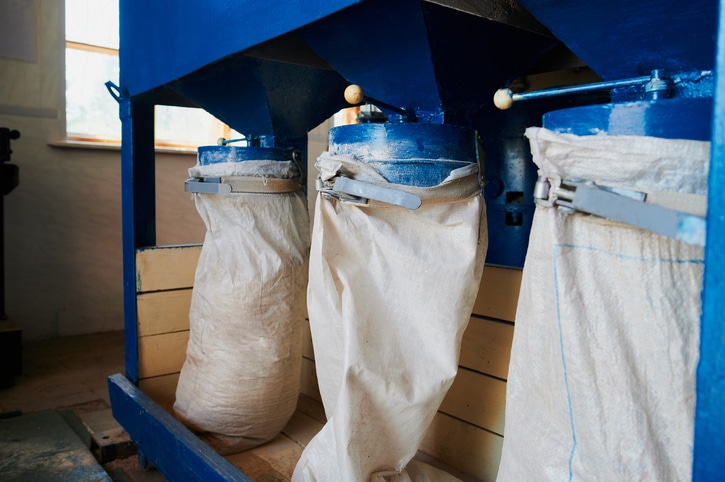
We use open mouth bags for containing grains, seeds, feed, and fertilizers. Open mouth bags are ideal for packaging seed and fertilizer, which are dry, flowable products requiring secure and durable packaging. To streamline this process, we utilize the Gravity Open Mouth Bag Filler Model GB, which efficiently fills bags with consistent weight and ensures reliable, durable packaging. These materials require durable and reliable bags to withstand transportation and storage conditions, and the Model GB helps maintain that quality while improving efficiency.
Chemicals and Construction Materials
For industries handling minerals, cement, additives, resins, and powders, open mouth bags provide an effective packaging solution. Their flexibility in material type and size ensures proper containment and safety during handling.
Food Products Packaging
In the food industry, our bags are suitable for packaging flours, flour, sugar, starches, and pet food. Ensuring product integrity and safety is paramount, which is why our bags are designed with FDA-compliant materials that maintain food quality.
Best Practices for Choosing Bag Materials and Sizes
Selecting the right materials and sizes for open mouth bags requires careful consideration of several factors to ensure optimal performance.
- Evaluate the type of product being packaged, as different materials offer varying levels of protection against moisture, punctures, and contamination.
- Consider the required bag capacity and dimensions to accommodate your product volume and handling needs.
- Assess the bursting strength of the bag material, measured in point, to ensure the bag can withstand the necessary pressure without ripping or bursting during filling, transport, or storage.
- Factor in regulatory requirements and industry standards for packaging safety and compliance.
- Review cost-effectiveness and availability of materials to balance quality with budget constraints.
Factors to Consider
- Product Characteristics: Assess if the product is abrasive, dusty, or moisture-sensitive, and select materials accordingly.
- Required Weight: Determine the target weight, options for 25 kg or 50 lb, ensuring appropriate bag strength and size.
- Filling and Closing Methods: Choose between sewn and heat-sealed options to fit your production needs, with both manual and automated filling and closing processes available. Depending on the bag material, you may need to apply closure methods such as heat, adhesive, or tape to securely seal the open mouth bag.
- Stacking, Transport, and Regulatory Needs: Evaluate how the bags will be stored, transported, and labeled.
To conclude, choosing the right open mouth bags hinges on a thorough understanding of materials and sizes. We recommend using paper bags for their printability and recyclability, PE or PP materials for their strong moisture barriers, and carefully selected sizes based on your specific needs. By adhering to best practices, you can ensure that your products are packaged efficiently, safely, and sustainably.

Frequently Asked Questions
What are open mouth bags used for?
Open mouth bags are primarily used for packaging free-flowing bulk products such as powders, granules, and pellets, making them ideal for agricultural, chemical, and food industries. Once the bags are filled, the filled bags are closed using sewing, sealing, or other closure methods.
What materials are commonly used for open mouth bags?
Common materials include kraft paper, plastic films, polypropylene, and cotton or burlap. Each material offers unique benefits such as moisture resistance and printability.
SOM (Sewn Open Mouth) bags are a popular style of open mouth bag, typically closed with sewing thread to provide a secure seal.
How do I choose the right size for open mouth bags?
Choosing the right size depends on your product’s weight and dimensions. Standard sizes range from 2 lb to 50 lb options, but custom sizes are also available to meet specific needs.
Can open mouth bags be customized for specific products?
Yes, custom open mouth bags can be tailored to various fill weights, widths, and lengths to match your equipment and operational requirements.
What are the advantages of using paper bags over plastic for open mouth packaging?
Paper bags offer excellent printability, breathability, and strength, while being recyclable, making them a great choice for environmentally conscious customers.
Why is it important to consider product characteristics when selecting bag materials?
Assessing product characteristics like moisture sensitivity and abrasiveness ensures that the selected materials provide optimal protection and performance during storage and transport.
It is crucial to choose open mouth bag materials that safeguard the contents from external factors such as moisture, contamination, and physical damage.
Recent Comments