
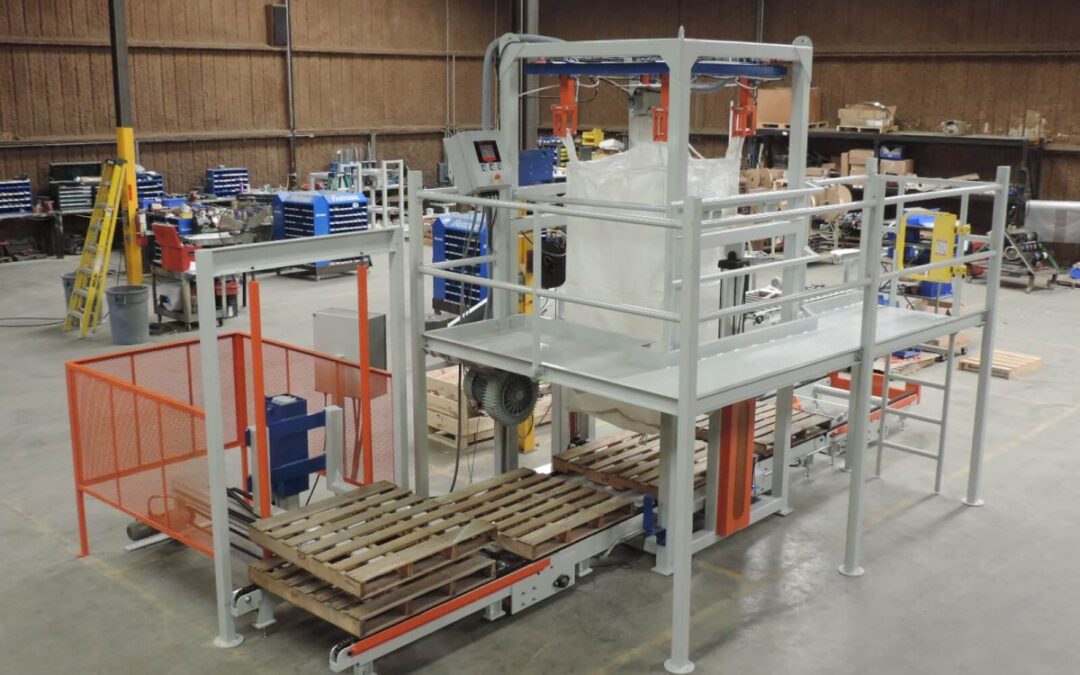
A bagging machine that requires a complete parts overhaul every 24 months isn’t an asset; it’s a liability that erodes your profit margins. Industrial reports suggest that up to 40% of unplanned downtime in dry-mix facilities is caused directly by the abrasive nature of the product. When you’re processing thousands of pounds of aggregate daily, a standard bagging machine for concrete mix simply won’t suffice. You need equipment built to withstand the constant friction and weight of heavy materials without sacrificing precision.
We understand the frustration of excessive wear, unsafe dust levels, and the product loss caused by inaccurate weights. Since 1978, Choice Bagging Equipment has focused on engineering solutions that solve these specific industrial pains. This guide provides the technical roadmap to selecting a system that delivers consistent, high-speed output while maintaining a clean, dust-free plant. We’ll explore the specific heavy-duty components and seal technologies that allow our machines to last decades, not just years. If you’re ready to secure your production line, contact us to discuss your specific requirements.
Key Takeaways
- Understand why abrasive aggregates destroy standard equipment and how hardened steel contact points protect your bagging machine for concrete mix.
- Compare air, auger, and gravity packers to determine which technology best handles your specific mix of sand, gravel, and cement.
- Identify the essential dust-mitigation features that keep your facility clean and your operators safe from silica exposure.
- Learn how to maximize your ROI by integrating robotic palletizers and following a structured industrial maintenance schedule.
Why Concrete Mix Requires a Specialized Bagging Machine
Concrete is a relentless material. It contains high concentrations of silica and quartz, which rank as a 7 on the Mohs scale of mineral hardness. This makes concrete a literal machine killer for equipment not specifically engineered for the task. A standard bagging machine for concrete mix often relies on mild steel components that simply cannot withstand the constant scouring of sand and gravel. Within months, internal surfaces thin or breach, leading to catastrophic failure and expensive downtime.
Beyond equipment longevity, you must consider regulatory compliance and profit preservation. OSHA standard 1926.1153 mandates strict control of respirable crystalline silica. A machine that leaks dust isn’t just messy; it’s a legal and safety risk for your workforce. Additionally, precision weighing is paramount. High-volume producers lose significant revenue through product giveaway when inaccurate scales overfill bags by even 0.5%. For a plant running 500 bags per hour, those small errors add up to tons of lost inventory every month.
The Challenges of Abrasive Material Handling
Abrasive wear in the context of concrete bagging is the progressive mechanical removal of metal from machine surfaces caused by the friction of sand and aggregate particles under pressure. This friction is most aggressive on filling spouts and internal augers where material velocity is highest. The particle size distribution also plays a role; a mix with a high percentage of 3/8-inch aggregate flows differently than a fine mortar. Without hardened alloys or replaceable liners, these particles act like sandpaper, grinding down your investment from the inside out.
Valve Bags vs. Open Mouth for Concrete
Valve bags are the industry standard for cementitious products because they offer a superior seal and minimize dust during the filling process. The internal valve closes automatically under product pressure, which is vital for high-speed industrial lines. However, some manufacturers prefer open mouth bag fillers for retail-ready concrete products that require specific branding or handles. While open mouth bags are more prone to dust leakage at the point of fill, modern integrated dust hoods can mitigate this risk. Choosing the right bag type depends on your production speed and cleanliness requirements, but investing in a specialized bagging machine for concrete mix ensures your equipment survives either choice.
Types of Concrete Bagging Systems: Air vs. Auger vs. Gravity
Selecting the right bagging machine for concrete mix depends entirely on your material’s physical properties. A fine mortar mix behaves differently than a high-strength ready-mix containing 1/2-inch aggregate. Each material requires a specific delivery method to ensure both speed and weight accuracy. Modern industrial plants typically choose between air, auger, or gravity systems based on flow characteristics and the risk of abrasive wear. Since 1978, we’ve helped producers match their specific aggregate blends to the delivery system that maximizes their ROI.
The weighing system is the brain of the machine. While mechanical scales served the industry for decades, electronic load cells are now the standard for modern accuracy. These systems provide precision within 0.1 to 0.2 pounds per bag. This level of control is non-negotiable for high-volume producers who need to eliminate product giveaway and maintain consistent pallet stacks.
Air Packers: Fluidization for Efficient Flow
Air packers, often called fluidizing baggers, use low-pressure air to “liquefy” fine-powdered mixes like cement or mortar. By introducing air into the pressure chamber, the material flows through the valve like a liquid. This method is highly efficient because it minimizes the number of moving parts in contact with the abrasive mix. You can consistently achieve throughput speeds of 10 to 12 bags per minute. Because there’s no mechanical screw to wear down, your maintenance costs stay low even during 24/7 operations.
Auger and Impeller Systems for High-Density Mixes
Mechanical force is necessary for mixes with higher moisture content or irregular particle shapes that don’t fluidize well. Auger packers use a screw-driven mechanism to push dense materials into the bag. If your concrete mix includes large aggregates or recycled materials, the mechanical torque of an auger ensures the bag reaches its target weight without clogging. Impeller systems offer a middle ground, using a rotating paddle to throw material into the spout at high velocity. You can find more technical specifications on these technologies in our valve bag filler guide.
Gravity packers represent the most cost-effective solution for free-flowing granular components. These systems rely on the product’s own weight to fill the bag, making them ideal for dry sand or simple gravel mixes. If you aren’t sure which delivery method fits your specific aggregate size, it’s best to view our industrial filling products to compare performance ratings.

Key Features of a High-Performance Concrete Bagger
A high-performance bagging machine for concrete mix must do more than just fill bags; it must survive the environment it operates in. We engineer our equipment with AR-400 abrasion-resistant steel on every contact point, from the hopper transition to the filling spout. This specific grade of steel provides a surface hardness that resists the scouring action of sand and gravel aggregates. Standard mild steel components often fail after processing just 50,000 bags, whereas our hardened liners are built to last for years of continuous service.
Maintenance shouldn’t require a total plant shutdown. We utilize a modular design that allows operators to swap wear parts in minutes, not hours. Our operator-friendly controls feature intuitive touchscreens that simplify the calibration process. This ease of use reduces training time for new staff by approximately 30% and significantly lowers the risk of human error during weight adjustments. If you’re ready to upgrade your facility’s capabilities, contact us for a technical consultation.
Precision Weighing and Load Cell Technology
Accuracy is the difference between profit and loss. Gross weigh systems weigh the bag while it’s being filled, which is a space-saving solution for many plants. Net weigh systems weigh the material in a dedicated internal hopper before discharging it, offering higher speeds and tighter tolerances. Modern digital controllers use sophisticated algorithms to compensate for “material in flight,” which is the product still falling through the air after the feeder shuts off. Achieving +/- 0.5% accuracy ensures that for every 1,000 tons of product processed, you aren’t accidentally giving away 5 tons of inventory to the end user.
Dust Management and Sealing Options
Controlling dust is a primary concern for any concrete producer. We offer inflatable spout seals that create an airtight connection between the machine and the bag valve. This prevents fine cement particles from escaping into the atmosphere during the fill cycle. For a complete solution, bag sealing technology can be integrated to close the valve or bag top immediately after filling. This secondary level of protection, combined with integrated dust collection ports, ensures your bagging zone stays within the 50 micrograms per cubic meter limit required by federal silica regulations. We build these systems to integrate seamlessly with your existing plant-wide filtration equipment.
Maximizing ROI: Durability and Maintenance Strategies
The true value of a bagging machine for concrete mix isn’t found in the initial purchase price. It’s measured in the Total Cost of Ownership (TCO) over a ten-year span. Many manufacturers choose equipment based on the lowest bid, only to find that maintenance costs in year three exceed the original savings. Industrial data shows that over-engineering a machine with heavy-duty components can reduce emergency repair costs by up to 60% over the life of the system. Investing in durability upfront ensures your production line remains profitable long after cheaper alternatives have been scrapped.
Our “Made In The USA” commitment provides a distinct logistical advantage for your facility. Waiting 21 days for a critical component from an overseas supplier can cost a high-volume plant thousands of dollars in lost daily revenue. We maintain an extensive inventory of replacement parts ready for immediate shipment. This localized support ensures that a minor wear issue doesn’t turn into a multi-week shutdown. To keep your equipment running at peak efficiency, we recommend a tiered inspection schedule:
- Daily: Purge dust from load cell areas and inspect inflatable spout seals for punctures.
- Weekly: Check AR-400 liners for thinning and lubricate all external pivot points to push out abrasive grit.
- Monthly: Perform a weight calibration check and inspect internal augers or impellers for scouring.
Wear-Point Management for Abrasive Materials
Concrete doesn’t forgive. It grinds. Identifying “hot zones” in the material path is the first step in preventative maintenance. These areas, typically where the product changes direction or velocity, experience the highest rate of mechanical erosion. By using replaceable bolt-in liners rather than replacing entire welded assemblies, you can restore your bagging machine for concrete mix to factory tolerances in a single shift. Consistent lubrication is also vital; it creates a physical barrier that prevents fine silica dust from migrating into bearing races and causing premature seizure.
Training and Support: The Partner Approach
Downtime is often the result of minor issues that an empowered operator could have solved in minutes. We believe in a partner-centric model that prioritizes comprehensive staff training. When your team understands the relationship between material flow and sensor feedback, they can make proactive adjustments before a failure occurs. You can also leverage our field service team for annual performance audits to ensure your system meets current safety and accuracy standards. This proactive stance reflects Choice Bagging Equipment’s commitment to quality and your long-term success. If you’re ready to optimize your maintenance strategy, request a technical consultation today.
Automating Your Concrete Production Line
A single bagging machine for concrete mix is an excellent start, but a truly efficient plant requires a holistic approach to the entire production line. Transitioning from manual labor to an automated system allows you to scale your output without increasing your headcount or safety risks. By integrating robotic bag palletizers, you remove operators from the immediate vicinity of the fill zone. This significantly reduces their exposure to respirable silica dust and eliminates the physical strain of handling heavy product.
Automation also ensures consistency. An automated line featuring bag handling conveyors and stretch wrappers creates a retail-ready pallet that is stable and secure for long-distance transport. We specialize in custom engineering that fits high-capacity components into restricted footprints. Whether you have 2,000 or 10,000 square feet of floor space, we can design a layout that maximizes every inch of your facility.
End-of-Line Palletizing for Concrete Bags
Concrete bags are traditionally heavy, often weighing 80 lbs or more. Expecting manual laborers to maintain a high-speed pace with these weights leads to fatigue, inaccuracy, and injury. Robotic systems excel in this environment because they don’t lose precision or speed over a shift. These robots use specific stacking patterns to ensure the center of gravity remains low, which prevents pallet collapse during transit. For a deeper look at your options, see our palletizing equipment guide for automation tips.
Getting Started with Choice Bagging Equipment
Our process begins with material testing and consultation. We don’t just ship a machine; we integrate a solution. Since 1978, we’ve served as a trusted US manufacturer by focusing on the specific needs of the concrete and aggregate industries. We understand that your bagging machine for concrete mix must work in tandem with your mixers, silos, and palletizers to be effective.
We believe that we’re also your partner in long-term growth. Our engineers are with you from the initial design phase to final installation and field support. Invest confidently in a system that is built to last decades. Request a customized quote for your concrete bagging project today and let us build reliability into your production line.
Build a Foundation of Reliability for Your Plant
Industrial concrete production demands equipment that survives the harshest environments. You’ve seen why specialized alloys and precision electronic weighing are the non-negotiable standards for a modern bagging machine for concrete mix. These engineering choices don’t just extend machine life; they protect your ROI by reducing product giveaway and minimizing the unplanned downtime that often accounts for 40% of production losses in aggregate facilities.
Since 1978, Choice Bagging Equipment has operated as a trusted US manufacturer, delivering Made in the USA reliability to facilities across the globe. We provide the expert field service and parts support needed to keep your line running decades into the future. We’re also your partner in every phase of plant integration and automation. Request a Quote for Your Concrete Bagging Project today to see how our engineering expertise can transform your operation. We look forward to helping you achieve unmatched precision and durability on your production floor.
Frequently Asked Questions
What is the best type of bag for concrete mix?
Valve bags are the industry standard for cementitious products because their internal self-sealing valve prevents product leakage. This design is specifically engineered to contain fine particles and maintain a clean workspace. While open-mouth bags are used for some retail applications, the valve bag remains the most efficient choice for high-speed industrial lines.
How many bags per minute can a concrete bagging machine fill?
A single-spout bagging machine for concrete mix typically fills 10 to 12 bags per minute. Multi-spout configurations can scale this output to 24 or 36 bags per minute depending on your plant’s upstream capacity. The actual speed depends on the material density and the bag size, which is usually 80 lbs for standard industrial mixes.
Can one machine handle both fine mortar and coarse concrete with gravel?
Most industrial machines can handle a range of aggregate sizes, but you must select the correct delivery system for the material. Air packers excel at fine powders like mortar; however, auger-driven systems are necessary for mixes containing 3/4-inch gravel. We can configure a system with interchangeable components to handle multiple product lines on a single machine.
How do I reduce dust during the concrete bagging process?
You can reduce dust by 95% or more by using inflatable spout seals and high-velocity dust collection ports. These components create a sealed environment during the fill cycle, preventing silica from escaping into the operator’s breathing zone. Maintaining proper negative pressure in your collection system is vital for meeting federal safety standards.
Is it better to use a manual or fully automated bagging system?
Automation is the best choice if your production exceeds 400 bags per hour. Manual systems are cost-effective for smaller batches, but they rely on consistent human performance. Automated systems provide a 25% increase in throughput by removing the fatigue factor and ensuring every bag is placed and palletized with mechanical precision.
What are the common maintenance issues with concrete baggers?
The most frequent maintenance issues involve the erosion of the filling spout and the degradation of rubber seals. Because concrete is highly abrasive, these parts are considered consumables. Replacing these items on a 6-month or 12-month schedule prevents larger mechanical failures and keeps your weight accuracy within the desired tolerance.
How accurate are modern electronic weighing systems for concrete?
Modern electronic weighing systems provide a high level of precision, typically within 0.1 to 0.2 pounds of the target weight. This accuracy is achieved through digital load cells that communicate with the controller 1,000 times per second. This technology eliminates the product loss that can cost a high-volume producer tons of inventory every year.
Does Choice Bagging Equipment offer rentals or used machines for concrete?
Yes, we provide a variety of flexible acquisition options including a bagging machine rental program and a buyback and upgrade program. We also maintain an inventory of used bagging machines that have been refurbished to meet our rigorous performance standards. These programs allow you to scale your production capacity without the longer lead times of a new build.
Recent Comments