
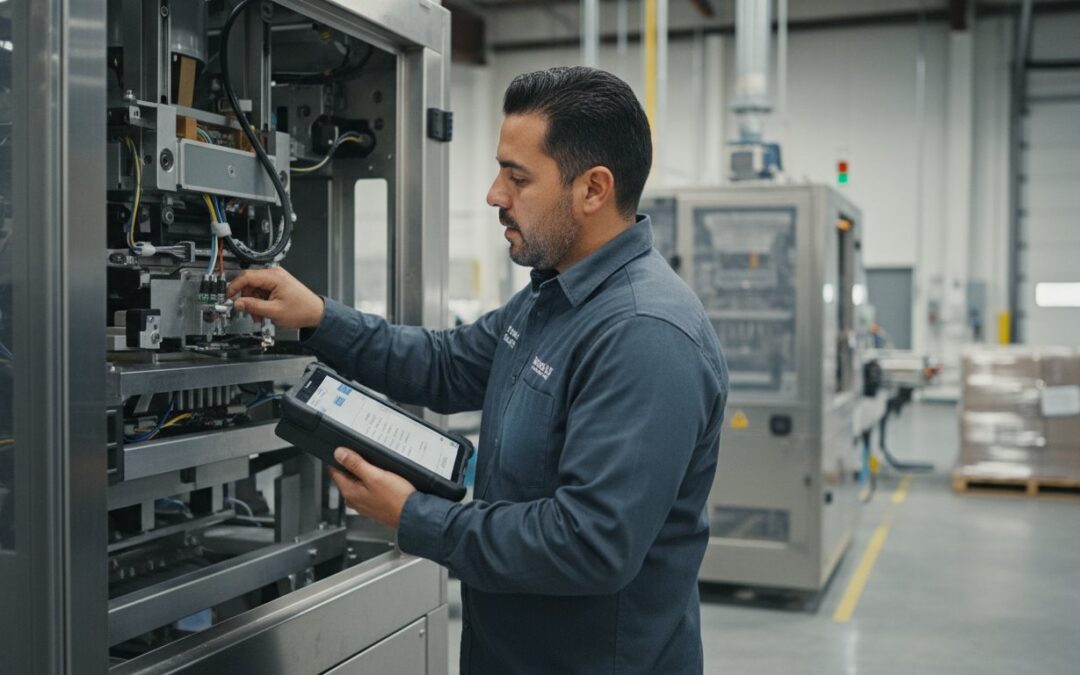
A single failed pneumatic valve during a peak 10 hour shift can cost a facility over 15 percent of its daily output. You understand that unplanned downtime is more than just a nuisance; it’s a direct threat to your profitability and customer trust. Since 1978, we’ve seen how a proactive approach keeps industrial operations running at peak efficiency. Implementing a rigorous bagging machine preventive maintenance checklist is the most effective way to ensure your equipment delivers the reliability and performance you expect from a trusted partner.
This guide provides a comprehensive framework to eliminate unplanned downtime and extend the service life of your machinery. We’ll outline specific daily and monthly tasks to maintain consistent weighing accuracy and protect expensive mechanical components from premature wear. You can also contact us to discuss a custom service plan. Read on to establish a repeatable maintenance schedule that secures your production goals and ensures every bag meets your quality standards.
Key Takeaways
-
Establish a foundation for long-term reliability by understanding the financial impact of unplanned downtime on your high-speed bagging operations.
-
Utilize our comprehensive bagging machine preventive maintenance checklist to implement daily and weekly inspection routines that extend the life of high-wear components.
-
Identify the specific maintenance "pain points" for valve, open mouth, and bulk fillers to ensure your cleaning frequency matches your material’s unique characteristics.
-
Learn how to protect weighing accuracy by mitigating the effects of vibration and dust accumulation on sensitive load cells and controllers.
-
Secure your production line by identifying the critical OEM spare parts required to maintain the precise tolerances and performance of your equipment.
Table of Contents
-
Why Preventive Maintenance is the Foundation of Industrial Bagging
-
Maintenance Differences: Valve vs. Open Mouth vs. Bulk Fillers
-
Calibrating for Accuracy: Ensuring Weight Precision and Seal Integrity
Why Preventive Maintenance is the Foundation of Industrial Bagging
Preventive maintenance (PM) is a systematic approach to equipment care that involves scheduled inspections, cleaning, and component replacements. In the world of packaging machinery, PM is the difference between a profitable shift and a costly shutdown. For high-speed industrial bag filling, this means checking load cells, pneumatic seals, and wear parts before they fail. Reliability doesn’t happen by accident; it’s the result of a disciplined bagging machine preventive maintenance checklist that addresses potential issues before they escalate into mechanical failures.
Consistency is key to maintaining the high standards we’ve set at Choice Bagging Equipment since 1978. Implementing a proactive schedule shifts your team’s focus from reactive firefighting to a proactive engineering culture where uptime is guaranteed. This strategy ensures that every component performs as designed, preserving the built-to-last quality of your investment. When your maintenance team follows a set routine, they become experts in the subtle signs of wear, allowing for repairs during planned downtime rather than during peak production hours.
To better understand this concept, watch this helpful video:
The financial impact of downtime is often underestimated by many facility managers. A halted production line can cost an operation thousands of dollars per hour in lost throughput and idle labor. By strictly following a bagging machine preventive maintenance checklist, you avoid these sudden losses and keep your facility running at peak performance without the stress of unexpected failures.
The ROI of a Standardized Maintenance Program
A standardized program delivers a measurable return on investment by preventing the domino effect of component failure. It eliminates the need for expedited shipping on critical parts, which often increases repair costs by 30% or more. Documented service histories also preserve the resale value of your machinery and can extend its operational lifespan by 20 years or more. You’re not just fixing machines; you’re protecting your capital and ensuring long-term profitability.
Safety and Compliance Considerations
Operator safety is a primary concern in any industrial environment. Regular PM checks ensure that guards, interlocks, and emergency stops function correctly every time. In the chemical and food industries, maintenance prevents dust accumulation that can lead to hazardous explosions or environmental fines. Keeping your system clean and calibrated ensures you meet strict hygiene standards and maintain a safe, compliant workplace for your entire team. When safety is prioritized through maintenance, your staff can work with confidence.
The Ultimate Bagging Machine Maintenance Checklist
Maintaining high-speed production requires more than just high-quality equipment; it demands a structured approach to care. Implementing a bagging machine preventive maintenance checklist ensures that every component, from the smallest solenoid to the heavy-duty frame, operates at peak efficiency. This proactive strategy prevents the 15% to 20% drop in productivity often seen when industrial machines are neglected. Since 1978, Choice Bagging Equipment has prioritized reliability, and a consistent maintenance schedule is the best way to protect your investment.
Daily and Shift-Change Inspections
Start every shift with a visual and functional audit. Dust and debris are the primary enemies of precision, especially near filling spouts and weighing sensors. Use compressed air or a soft brush to clear these areas to prevent weight inaccuracies. Check the air pressure levels on your pneumatic systems; most systems require a steady 80 to 90 PSI to function correctly. If you notice fluctuations, inspect the compressor filters immediately. Finally, verify the bag clamp functionality. A loose clamp leads to product loss and poor seal integrity, so run a test bag before starting full production.
Weekly Lubrication and Mechanical Adjustments
Moving parts require consistent friction management to prevent premature wear. Apply food-grade or industrial lubricants to all pivot points and bearings as specified in your manual. Inspect the belt tension across the system. Look for signs of fraying or misalignment that could lead to a catastrophic failure mid-shift. Accuracy is the cornerstone of a profitable operation. Use 50-pound certified test weights to calibrate your bagging machine. Following these bagging equipment maintenance tips ensures your weights remain within the required 0.25% tolerance. If you’re unsure which machine fits your specific material, the Bagger Professor tool can help identify the best equipment for your operation.
Monthly Electrical and Pneumatic Audits
Electrical issues often start as loose connections caused by machine vibration. Open the control panel and inspect the wiring for wear or heat damage. Tighten any loose terminals to avoid intermittent signals that cause downtime. Check the pneumatic cylinders for air leaks and ensure the solenoid valves fire with crisp, immediate action. It’s also vital to clean and recalibrate optical sensors and limit switches. Dust buildup on a sensor lens can stop a production line as surely as a broken motor. For replacement components, you can always source genuine OEM parts to maintain system integrity.
Annual Overhauls and Expert Support
Once a year, your equipment deserves a deep-level technical audit. This goes beyond the standard bagging machine preventive maintenance checklist and involves checking structural welds, motor brushes, and gearbox oil levels. This is the ideal time to call in factory-trained experts who understand the nuances of your specific model. Our field service team provides the deep-tissue inspection required to keep your facility running for decades. We don’t just sell machines; we’re your partner in long-term operational success. If you need a professional technician to review your system, contact us today to schedule a visit.

Maintenance Differences: Valve vs. Open Mouth vs. Bulk Fillers
Every effective bagging machine preventive maintenance checklist must account for the specific technology used in your facility. A one-size-fits-all approach leads to overlooked components and unexpected downtime. The physical properties of your material, whether it is a fine powder or a large granule, dictate your cleaning and inspection frequency. Fine powders often require daily dust manifold inspections to keep sensors clear; abrasive minerals can wear down contact parts 40% faster than smooth plastic resins. Choice Bagging Equipment has seen these patterns since 1978, and we build our machines to withstand these unique environmental stressors.
Automated systems reduce human error but increase the need for precise sensor calibration. Manual systems rely more on operator diligence and mechanical lubrication. Regardless of your automation level, your end-of-line palletizing equipment must stay in sync with the filler to prevent downstream bottlenecks. Following Industrial Maintenance Safety protocols during these checks ensures your team stays protected while you maximize machine uptime.
Valve Bag Filler Specifics
Maintenance for valve bag fillers centers on the product delivery path and airtight integrity. Impeller blades face constant friction and should be checked for thinning or pitting every 500 operating hours. Inflatable seals must provide a perfect fit to prevent blowback; if a seal leaks, escaping dust can coat sensitive electronics and interfere with weight sensors. Regularly clean the fill tubes and sleeve applicators to prevent material buildup that restricts flow and ruins bagging accuracy. Managing dust collection at the spout is a primary requirement for maintaining a clean, safe work environment.
Open Mouth and Bulk Bag Systems
Operators using open mouth bagging machines must focus on mechanical grippers and sewing heads. A misaligned gripper leads to spilled product and can result in 15% more waste over a single shift. For those running bulk bag fillers, it’s vital to inspect the heavy-duty lift frames and vibratory decks for stress fractures or loose bolts. These machines handle thousands of pounds daily, making structural integrity a top priority. Ensure load cells are calibrated monthly to maintain high scale accuracy in large-scale FIBC operations. If you need assistance with a specific maintenance issue, contact us to speak with a technical expert.
Calibrating for Accuracy: Ensuring Weight Precision and Seal Integrity
Mechanical stability directly dictates weighing accuracy. A loose mounting bolt or a vibrating conveyor frame introduces "noise" that tricks digital controllers. Dust accumulation on a scale’s pivot point or load cell can add 50 to 100 grams of ghost weight, leading to costly product giveaway. Your bagging machine preventive maintenance checklist must prioritize the cleanliness and isolation of these sensitive components. Since 1978, we’ve found that 85% of weighing errors result from environmental interference rather than hardware failure. If you’re unsure which machine fits your specific environment, the Bagger Professor tool helps identify equipment designed for your material’s unique characteristics.
Load Cell Care and Calibration
Load cells are precision instruments that don’t tolerate shock loading. Dropping a heavy object or striking the scale during a washdown can permanently deform the internal strain gauge. Protect these sensors from moisture and harsh chemical cleaners, as humidity causes signal drift. To maintain accuracy, execute a two step calibration. Start with a zero calibration to clear the empty scale. Then, use certified test weights to perform a span calibration. If you see a 2% variance in readings, inspect the mounting hardware first. Simple cleaning of the mounting area often fixes the issue, saving the cost of a sensor replacement. Including these steps in your bagging machine preventive maintenance checklist ensures long term reliability.
Maintaining Bag Sealing and Sewing Units
A perfectly weighed bag is a liability if it fails during transit. For operations utilizing bag sewing machine systems, daily needle inspections are essential. A dull needle creates oversized holes that leak fine powders. Inspect the thread path for lint buildup every 8 hours to prevent tension spikes. If your line uses bag sealing units, focus on the heating elements. Replace Teflon tape immediately if charring or wear appears. A 10 degree drop in temperature or a 5 psi loss in pressure can compromise seal integrity. Test seal strength by applying manual pressure to every 50th bag to prevent product loss during palletizing.
To keep your production line running at peak efficiency, schedule a professional calibration audit with our team today.
Partnering for Performance: CBE Support and Spare Parts
A robust bagging machine preventive maintenance checklist is only as effective as the parts and expertise supporting it. High-precision machinery requires components that meet exact engineering specifications to maintain the accuracy your customers expect. Using Original Equipment Manufacturer (OEM) parts ensures your equipment maintains the tight tolerances required for consistent weighing and air-tight sealing. Choice Bagging Equipment acts as your long-term partner, providing the technical depth needed to keep your production lines running at peak efficiency without compromise.
Our engineers design every component to work in harmony. When you replace a genuine part with a generic alternative, you risk a domino effect of mechanical failure. These generic parts often fail to meet the specific hardness or heat-resistance standards required for industrial bagging. This leads to frequent replacements and higher long-term costs. By choosing genuine support, you protect your capital investment and ensure the longevity of your equipment.
Stocking the Right Parts
Minimizing downtime requires having high-wear items on hand before a failure occurs. We recommend keeping a critical spares kit that includes gaskets, belts, sensors, and heating elements. These items naturally degrade during high-volume cycles and can halt production if they aren’t available for immediate replacement. You should consult our parts department to identify the specific components your model requires for its unique application. Having these items in stock can reduce repair time from days to minutes, keeping your facility on schedule.
Professional Field Service and Training
Internal maintenance teams are essential for daily upkeep, but complex systems benefit from factory-level oversight. Our field technicians provide the specialized knowledge that completes any bagging machine preventive maintenance checklist, ensuring your equipment operates at its original factory specifications. Scheduling annual field service visits allows our technicians to perform deep-system audits that go beyond basic visual inspections. These visits include calibrating sensitive load cells and checking the timing of pneumatic actuators.
We also prioritize training your onsite operators to identify early warning signs of equipment fatigue, such as subtle changes in vibration or air pressure fluctuations. Utilizing the Bagger Professor tool helps ensure your specific material is matched to the correct machine type, which significantly reduces unnecessary mechanical stress and wear. CBE has been building performance and reliability into every machine since 1978. If you need to upgrade your current system or order a custom spares kit, contact us to speak with an applications engineer today.
Protect Your Production and Scale Your Output
Reliability isn’t a happy accident; it’s the result of disciplined equipment care and superior engineering. Implementing a rigorous bagging machine preventive maintenance checklist is the most effective way to prevent unplanned downtime and ensure every bag meets your weight specifications. Since 1978, Choice Bagging Equipment has manufactured industrial bagging solutions that prioritize durability and precision. Our Made in the USA machines are built to withstand heavy industrial use while maintaining the tightest seal integrity for your products.
Success on the production floor requires more than just high-quality hardware. It demands a partnership with experts who provide field service and seamless production line integration. Don’t leave your efficiency to chance when you can rely on decades of proven expertise and technical support. We’re ready to help you optimize your facility for long-term growth and consistent performance.
Request a custom quote or maintenance consultation today and take the first step toward a more reliable production line.
Frequently Asked Questions
How often should I calibrate my bagging machine load cells?
You should calibrate your load cells every 6 months to maintain high-quality weight accuracy. High-volume facilities processing over 1,000 bags per day often require quarterly calibration to prevent scale drift. This routine is a vital component of any bagging machine preventive maintenance checklist. Using certified test weights ensures your system delivers the reliability you expect from industrial-grade equipment.
What are the most common causes of inaccurate bag weights?
Material buildup on the weigh hopper and inconsistent product flow are the 2 primary reasons for weight errors. Even a 0.5 percent variation in material density can impact your results. Check your air pressure to ensure it stays at a constant 90 PSI for consistent cylinder actuation.
Can I use general-purpose grease for my bagging equipment?
You shouldn’t use general-purpose grease because industrial bagging equipment requires specific lubricants for high-dust environments. Standard grease often fails at speeds exceeding 1,200 RPM or in extreme temperatures. Refer to your manual for the 3 specific grease points that require lithium-complex or food-grade lubricants. Using the wrong grease can reduce bearing life by 50 percent and lead to avoidable mechanical failure.
What should be included in a daily bagging machine startup checklist?
Your daily startup should include clearing debris from the fill spout and verifying the 90 PSI air supply. Test the emergency stop buttons and check for loose fasteners on moving arms. These 5 minutes of inspection prevent hours of downtime during a shift. A consistent bagging machine preventive maintenance checklist ensures your Made In The USA! equipment delivers peak performance from the very first bag.
How do I know if my bag sewing machine needs a timing adjustment?
Skipped stitches or thread breaking 3 times per hour indicate your sewing machine needs a timing adjustment. Check the needle-to-looper clearance, which should typically stay at 0.1 mm for most industrial models. If the needle hits the throat plate, stop the line immediately to prevent motor damage. Proper timing ensures a secure closure and maintains the durability of your final packaged product.
What is the average lifespan of a valve bag filler with proper maintenance?
A valve bag filler typically lasts 20 to 30 years when you follow a strict maintenance schedule. Choice Bagging Equipment has supported machines in the field since 1978 that still run daily production cycles. Reliability depends on replacing wear parts like sleeves every 50,000 bags. Investing in a durable machine and maintaining it properly ensures your operation remains productive for many decades.
How can I reduce dust accumulation on my bagging line?
Install a dust collection system with a minimum 400 CFM rating to pull particles away from the fill point. Clean the 4 primary sensors daily to prevent signal interference and hardware overheating. Dust buildup of just 1/8 inch can cause motors to run hot and reduce efficiency. Effective dust management protects your investment and ensures a safer, cleaner environment for your entire production team.
When should I consider a professional factory audit for my equipment?
Schedule a professional factory audit every 12 months or if your scrap rate exceeds 2 percent of total production. An expert technician identifies hidden wear in pneumatic circuits that internal teams might miss during daily checks. We’ve been a trusted partner to manufacturers for over 45 years and offer deep technical expertise. Contact us at https://www.choicebagging.com/contact/ to arrange a comprehensive system evaluation.
Recent Comments