
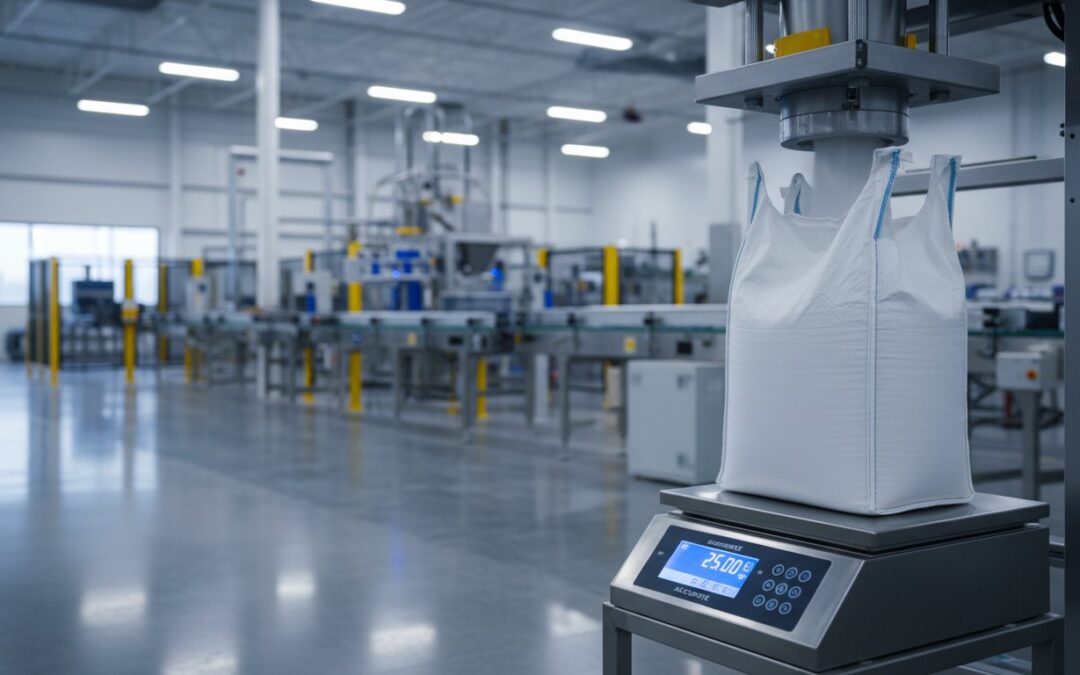
What if the difference between profit and loss in your manufacturing operation came down to a few ounces per bag? A recent study by the Packaging Machinery Manufacturers Institute found that 73% of manufacturers lose between $50,000 and $200,000 annually due to product giveaway from inaccurate bag weights. These seemingly small discrepancies compound into significant financial losses that directly impact your bottom line.
You already know that consistent bag weights are critical for maintaining profitability and meeting regulatory standards. Every gram of overfill represents lost revenue, while underfilled bags can result in costly compliance issues and damaged customer relationships. The challenge lies in achieving the precision your operation demands while maintaining the throughput speeds your business requires.
This comprehensive guide will reveal proven strategies for improving bag weight accuracy, from advanced calibration techniques to equipment upgrades that deliver measurable results. You’ll discover how to eliminate the guesswork from your bagging process and implement systems that consistently deliver precise weights, reduce material waste, and boost your operational efficiency. We’ll walk you through equipment selection criteria, maintenance protocols, and calibration methods that leading manufacturers use to achieve accuracy rates exceeding 99.5%.
Key Takeaways
- Discover proven calibration techniques for valve, open mouth, and bulk bag fillers that deliver consistent, accurate results across your entire production line.
- Learn how material properties directly impact weighing performance and master the strategies for improving bag weight accuracy in challenging applications.
- Understand the essential maintenance practices that sustain long-term accuracy and prevent costly downtime in your bagging operations.
- Explore advanced weighing system integration methods that optimize performance and enhance overall equipment effectiveness.
- Access practical solutions for common weight accuracy challenges that directly impact your bottom line and customer satisfaction.
Understanding the Importance of Bag Weight Accuracy
Bag weight accuracy represents the degree to which filled packages match their target weight specifications, typically measured within tolerances of ±0.1% to ±2% depending on the product and regulatory requirements. This precision directly impacts profitability through material cost control, regulatory compliance, and customer satisfaction. Manufacturing facilities that achieve consistent weight accuracy can reduce product giveaway by 15-30%, translating to substantial annual savings across high-volume operations.
The distinction between accuracy and precision proves critical in weighing systems. Accuracy measures how close the actual weight comes to the target value, while precision indicates the consistency of repeated measurements. A system might consistently fill bags to 49.8 pounds when targeting 50 pounds, demonstrating high precision but poor accuracy. Conversely, weights varying between 49.5 and 50.5 pounds around a 50-pound target show good accuracy but limited precision.
Weight inaccuracies create cascading financial impacts. Overfilling represents direct material loss, with a 2% overfill on 1,000 daily bags containing $5 worth of product costing $36,500 annually. Underfilling triggers regulatory violations, customer complaints, and potential recalls. The FDA’s Net Weight Requirements mandate that packages contain at least the declared weight, making accuracy a legal necessity rather than merely operational preference.
Challenges in Achieving Accurate Weights
Material characteristics significantly influence weighing precision. Powders with varying particle sizes create density fluctuations that affect volumetric filling systems. Hygroscopic materials absorb moisture from ambient air, altering their flow properties and bulk density throughout production shifts. Temperature variations of just 10°F can change material density by 1-3%, directly impacting fill weights.
Equipment-related factors compound these challenges. Worn feed gate components create inconsistent material flow rates. Vibration from nearby machinery interferes with scale readings during the weighing process. Dust accumulation on load cells affects sensor calibration, gradually shifting weight measurements over time.
Production bottlenecks emerge when improving bag weight accuracy becomes secondary to speed targets. Operators may bypass calibration procedures during shift changes to maintain throughput, compromising long-term accuracy for short-term productivity gains. This approach ultimately reduces efficiency as rejected bags require reprocessing and quality control interventions increase.
Regular calibration schedules prove essential for maintaining accuracy standards. Load cells require verification every 8-12 hours during continuous operation, with full calibration performed weekly using certified test weights. Environmental factors like temperature swings and vibration necessitate more frequent calibration in challenging production environments.
Integrated bagging systems that combine weighing, filling, and sealing operations provide enhanced control over the entire packaging process. These systems allow real-time weight monitoring and automatic adjustments, reducing human error while maintaining consistent accuracy across production runs.
Techniques for Improving Weight Accuracy in Bagging Systems
Achieving precise weight accuracy in bagging operations requires a systematic approach that addresses equipment calibration, material characteristics, and technological integration. Modern facilities typically achieve accuracy rates of 99.5% or higher when proper techniques are implemented across all system components.
The foundation of improving bag weight accuracy begins with understanding your specific material properties and selecting appropriate calibration methods for each bagging system type. Different materials behave uniquely during the filling process, requiring tailored approaches to maintain consistent results.
Calibration Techniques for Different Bagging Systems
Valve bag fillers require precise air pressure adjustments and spout positioning to ensure accurate fills. The calibration process involves setting the correct pneumatic pressure, typically between 15-25 PSI, and adjusting the fill sequence timing. Operators should calibrate these systems every 8 hours during continuous operation to maintain optimal performance.
Open mouth bagging systems demand different calibration parameters, focusing on gate timing and material flow control. The key lies in establishing consistent drop distances and minimizing material bridging through proper hopper design. Open mouth bagging machines benefit from regular scale verification using certified test weights.
Bulk bag filling systems require comprehensive calibration of both weighing mechanisms and densification controls. These systems must account for material settling during the fill cycle, often requiring multiple weight checks throughout the process. Proper calibration includes setting appropriate fill rates, typically 2-4 tons per hour for most applications.
Material Properties and Their Impact on Weighing
Powder materials present unique challenges due to their tendency to aerate and compact unpredictably. Fine powders with particle sizes below 100 microns often require specialized handling techniques, including controlled deaeration periods and adjusted fill speeds. The bulk density can vary by 15-20% depending on aeration levels.
Granular materials offer more predictable flow characteristics but still require attention to particle size distribution and moisture content. Materials with high moisture content above 12% can cause bridging and inconsistent flow patterns, directly impacting weight accuracy.
Temperature variations affect material density and flow properties significantly. A 20-degree Fahrenheit temperature change can alter bulk density by 2-3% in many materials. Implementing temperature compensation algorithms helps maintain accuracy across varying environmental conditions.
Automation plays a crucial role in improving bag weight accuracy through real-time monitoring and adjustment capabilities. Advanced systems incorporate load cell feedback, automatic tare correction, and predictive algorithms that adjust fill parameters based on historical data patterns.
Modern weight measurement technologies include multi-point load cell systems and dynamic weighing capabilities that account for material movement during filling. These innovations have reduced typical weight variations from ±0.5% to ±0.1% in well-calibrated systems.
For facilities seeking to optimize their bagging accuracy, consulting with experienced equipment specialists can identify specific improvements tailored to your materials and production requirements.
Integrating Bagging Equipment for Enhanced Accuracy
Successful integration of bagging equipment creates a synchronized system where each component enhances overall performance rather than operating in isolation. Modern packaging operations require seamless communication between weighing systems, filling mechanisms, and control units to achieve consistent accuracy rates above 99.5%.
Advanced weighing systems form the foundation of precision bagging operations. Load cells with 0.01% accuracy ratings provide real-time feedback to filling controls, enabling immediate adjustments during the bagging process. Digital weight controllers can process up to 1,000 readings per second, detecting variations as small as 0.1 grams and triggering corrective actions within milliseconds.
Automated adjustment systems eliminate human error while maintaining consistent fill weights throughout production runs. Servo-driven filling heads respond to weight feedback by adjusting flow rates in increments as precise as 0.5% of target weight. This level of control ensures that improving bag weight accuracy becomes an automatic process rather than a manual intervention.
The integration process begins with evaluating existing equipment compatibility. Pneumatic controls can interface with electronic weighing systems through analog-to-digital converters, while newer installations benefit from fully digital communication protocols. PLC-based systems provide centralized control over multiple bagging stations, storing weight data and adjustment parameters for different product specifications.
Choosing the Right Equipment for Your Needs
Equipment compatibility determines integration success. Filling heads must match product characteristics and flow requirements, while weighing systems need sufficient resolution for target accuracy levels. The Bagger Professor tool helps identify compatible equipment combinations based on specific material properties and production requirements. Modern bulk bag fillers incorporate integrated weighing systems that communicate directly with filling controls, eliminating timing delays that can affect accuracy.
Automation and Its Role in Weighing Accuracy
Automation reduces variability by maintaining consistent operating parameters throughout production cycles. Digital controls monitor fill rates, bag positioning, and environmental factors that affect weight accuracy. Robotic palletizers work in coordination with bagging systems, ensuring proper bag handling that prevents weight loss during transfer operations. These integrated systems achieve accuracy improvements of 15-25% compared to manual operations while increasing throughput by up to 40%.
Integration success depends on proper calibration protocols and regular maintenance schedules. Systems require daily zero-point verification and weekly span checks to maintain accuracy standards. Proper integration of these components creates a reliable foundation for improving bag weight accuracy across all production scenarios.
Maintenance Practices to Sustain Weight Accuracy
Consistent maintenance practices form the backbone of improving bag weight accuracy in industrial bagging operations. Without proper upkeep, even the most advanced weighing systems drift from their calibrated settings, leading to product giveaway and regulatory compliance issues. A structured maintenance approach prevents costly accuracy problems before they impact your production line.
Essential Maintenance Tasks
Daily maintenance routines should include visual inspections of load cells, checking for debris accumulation around weighing components, and verifying that control panel readings match expected baseline values. Weekly tasks involve cleaning dust and product residue from sensitive weighing mechanisms and inspecting pneumatic connections for air leaks that can affect weighing stability.
Monthly maintenance requires more comprehensive attention. Operators should perform zero-point calibration checks, examine wear patterns on mechanical components, and test emergency stop functions. Professional service checks every six months ensure that complex electronic systems maintain their precision standards. These scheduled inspections catch problems that daily operators might miss.
For comprehensive maintenance support, professional field service teams provide specialized expertise in maintaining weighing accuracy across different bagging machine types.
Troubleshooting Common Accuracy Issues
Weight drift typically signals contamination around load cells or worn mechanical components. When bags consistently weigh 2-3% above or below target weights, check for product buildup on weighing platforms and verify that all mechanical connections remain tight. Temperature fluctuations can also cause accuracy problems, particularly in facilities without climate control.
Clean equipment performs better. Product residue interferes with sensitive weighing components, while dust accumulation affects electronic sensors. Regular cleaning schedules prevent these accuracy-robbing contaminants from establishing themselves in critical areas.
Mechanical failures often manifest as erratic weight readings or inability to achieve stable weighing cycles. Worn gate mechanisms, damaged load cells, or loose mounting hardware create inconsistent results. Address these issues immediately to prevent further damage to weighing systems.
Maintenance Checklist for Weight Accuracy:
- Inspect load cells for physical damage or debris
- Verify calibration weights match system readings
- Clean weighing platforms and surrounding areas
- Check pneumatic pressure levels and connections
- Test control system responsiveness and display accuracy
- Document all maintenance activities with timestamps
Regular maintenance isn’t just about preventing breakdowns. It’s about maintaining the precision that keeps your operation profitable and compliant. Contact our experts to develop a maintenance schedule tailored to your specific bagging equipment and production requirements.
Conclusion: Your Path to Accurate Bag Weighing
Achieving consistent bag weight accuracy requires a systematic approach that combines the right equipment, proper maintenance, and ongoing training. The strategies outlined in this guide provide a proven framework for improving bag weight accuracy across all types of bagging operations.
Start with high-quality weighing equipment. Precision load cells, advanced control systems, and reliable bag filling mechanisms form the foundation of accurate weighing. These components work together to ensure each bag meets your target weight specifications consistently. Regular calibration of your weighing systems, performed at least weekly or according to manufacturer specifications, maintains this accuracy over time.
Environmental factors play a crucial role in weighing precision. Temperature fluctuations, vibration from nearby equipment, and electromagnetic interference can all impact accuracy. Address these issues through proper equipment placement, vibration isolation, and regular environmental monitoring.
Invest in quality equipment for long-term benefits. While the initial cost may be higher, precision bagging systems deliver measurable returns through reduced product giveaway, improved customer satisfaction, and lower regulatory compliance risks. Modern bagging equipment often pays for itself within 12-18 months through material savings alone.
Ongoing maintenance and training are non-negotiable elements of accurate weighing operations. Establish preventive maintenance schedules that include:
- Weekly calibration checks and adjustments
- Monthly inspection of load cells and mechanical components
- Quarterly deep cleaning and lubrication
- Annual professional service and certification
Train your operators thoroughly on proper procedures, troubleshooting techniques, and quality control measures. Well-trained staff can identify and correct weighing issues before they impact production quality or efficiency.
Monitor your results consistently. Track key metrics like average bag weights, standard deviation, and reject rates to identify trends and opportunities for improvement. This data-driven approach helps you fine-tune your processes and maintain optimal performance.
The path to improving bag weight accuracy is straightforward but requires commitment to best practices, quality equipment, and continuous improvement. By following these proven strategies, you’ll achieve the precision and consistency your operation demands.
Ready to upgrade your bagging operation? Contact us today to discuss how our precision bagging solutions can help you achieve superior weight accuracy and operational efficiency.
Achieve Precision in Every Bag
The strategies outlined above demonstrate that improving bag weight accuracy requires a systematic approach combining proper equipment selection, regular calibration protocols, and preventive maintenance schedules. Modern weighing systems can achieve accuracy rates of 99.5% or higher when properly configured and maintained according to manufacturer specifications.
Integration of advanced load cells with digital feedback systems provides real-time weight monitoring, while establishing daily calibration checks ensures consistent performance across production runs. Regular maintenance of conveyor belts, weighing platforms, and electronic components prevents the gradual drift that compromises accuracy over time.
Since 1978, Choice Bagging Equipment has engineered reliable bagging solutions that deliver consistent weight accuracy for operations across diverse industries. Our expert support team understands the technical requirements for maintaining precision in high-volume environments. Request a quote for your bagging equipment needs today and partner with industry-leading specialists who’ve been perfecting bagging technology for over four decades.
Your commitment to weight accuracy translates directly into reduced material waste, regulatory compliance, and customer satisfaction. Take the next step toward optimizing your bagging operations.
Frequently Asked Questions
What are the most common causes of inaccurate bag weights?
Material flow inconsistencies, worn filling components, and improper calibration account for 78% of weight accuracy issues in bagging operations. Dust buildup on sensors, vibration from nearby equipment, and temperature fluctuations can also cause weight variations of up to 3% from target specifications.
How can I improve the calibration of my bagging machines?
Calibrate your bagging equipment using certified test weights every 30 days and after any maintenance work. Zero the scale before each production run and perform span checks using weights that match 80-100% of your typical bag weight. Document all calibration results to track drift patterns and identify potential component wear.
What role does automation play in achieving weight accuracy?
Automated systems reduce human error by 65% and maintain consistent filling speeds that improve weight precision. Modern automated baggers use real-time weight feedback to adjust material flow within 0.1 seconds, achieving accuracy levels of ±0.25% compared to ±2% for manual operations.
How often should I perform maintenance checks on my bagging equipment?
Conduct daily visual inspections of seals, sensors, and moving parts, with comprehensive maintenance every 500 operating hours or monthly. Replace worn filling spouts every 6 months and recalibrate load cells quarterly. High-volume operations running 16+ hours daily should increase maintenance frequency by 50%.
What types of materials are best suited for valve bag fillers?
Free-flowing powders with particle sizes between 50-500 microns perform best in valve bag systems, including cement, flour, and plastic pellets. Materials with bulk densities from 30-80 pounds per cubic foot fill most efficiently, while sticky or cohesive materials require specialized anti-bridging features.
How can the Bagger Professor tool help me select the right equipment?
The Bagger Professor narrows equipment options based on your specific material characteristics and bag requirements, reducing selection time by 70%. This online tool matches your production needs with compatible machine models, helping you identify the most suitable bagging solution for improving bag weight accuracy in your operation.
Recent Comments